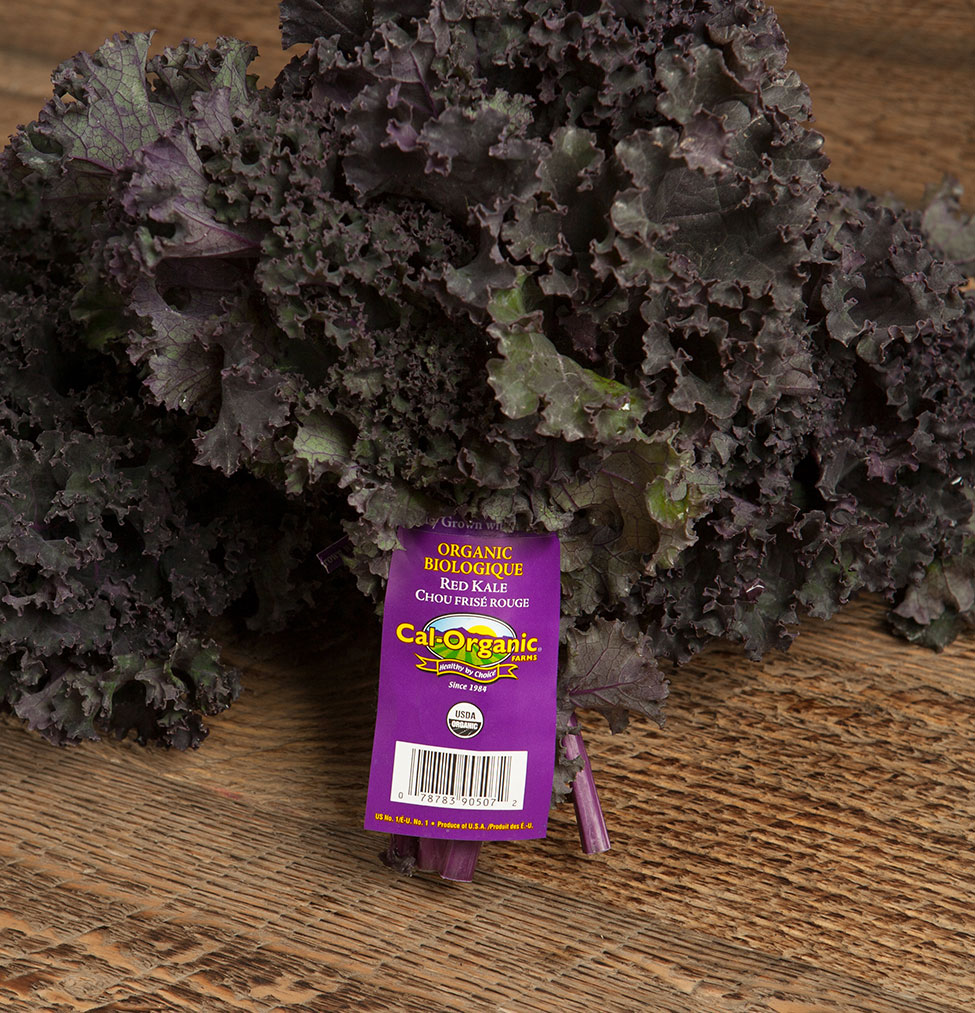
Red Kale
Nutrition
| Serving Size | 85 grams |
|---|---|
| Calories | 20 |
| Daily Value | |
| Calories From Fat | 0 |
| Total Fat 0 | 0% |
| Saturated Fat 0 | 0% |
| Trans Fat 0 | 0% |
| Cholesterol 0 | 0% |
| Sodium 15mg | 1% |
| Total Carbohydrate 4g | 1% |
| Dietary Fiber 1g | 4% |
| Sugars 1g | 2% |
| Sugars Added 0g | 0% |
| Protein 2g | 4% |
| Calcium 220mg | 17% |
| Iron 1.4mg | 8% |
| Vitamin D 0mcg | 0% |
| Potassium 300mg | 6% |
Red kale is high in vitamins K, A, and C with powerful antioxidant and anti-inflammatory properties.
As the “queen of greens,” kale is an excellent ingredient to add to your diet. Kale is a low-calorie, high-fiber food that aids in healthy digestion, metabolism, bone and joint maintenance, and vision. With its sharp, earthy, and peppery flavor, kale is a popular addition to salads and soups.
Keep the kale in the refrigerator in an airtight bag lined with paper towels to absorb the moisture to keep fresh for up to five days.
Trim off any bruised leaves, then rinse in cold water and pat dry. Tear the leaves into 1-inch strips and chop the stems.
Steam, braise, or bake the kale to soften the leaves. It is great in soups with beans and potatoes, or to enjoy raw, massage the leaves with lemon juice.
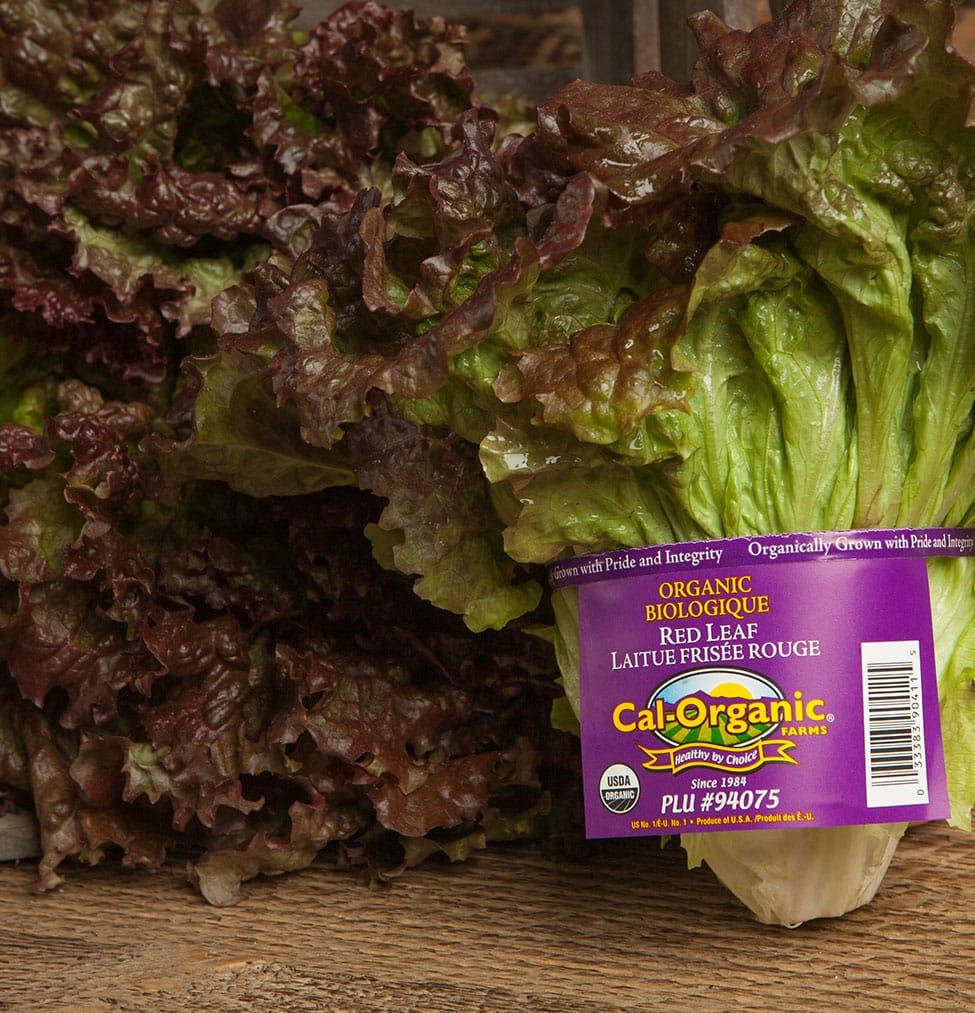
Red kale has a mild, earthy flavor with crisp, hearty texture. Cook the kale to tenderize and produce a sweeter, nutty taste.
Availability
- Jan
- Feb
- Mar
- Apr
- May
- Jun
- Jul
- Aug
- Sep
- Oct
- Nov
- Dec